



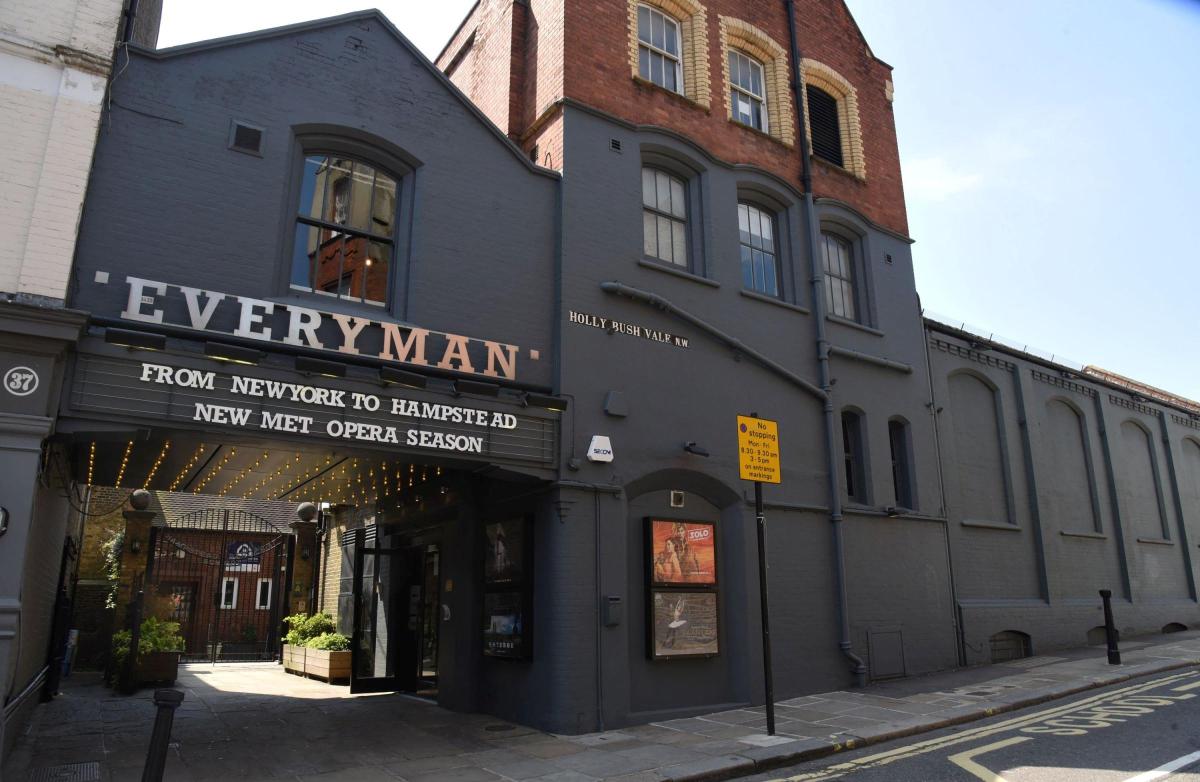

Over the years, a humble Victorian drill hall where soldiers once practiced their marching has seen an unlikely array of stage and screen stars.
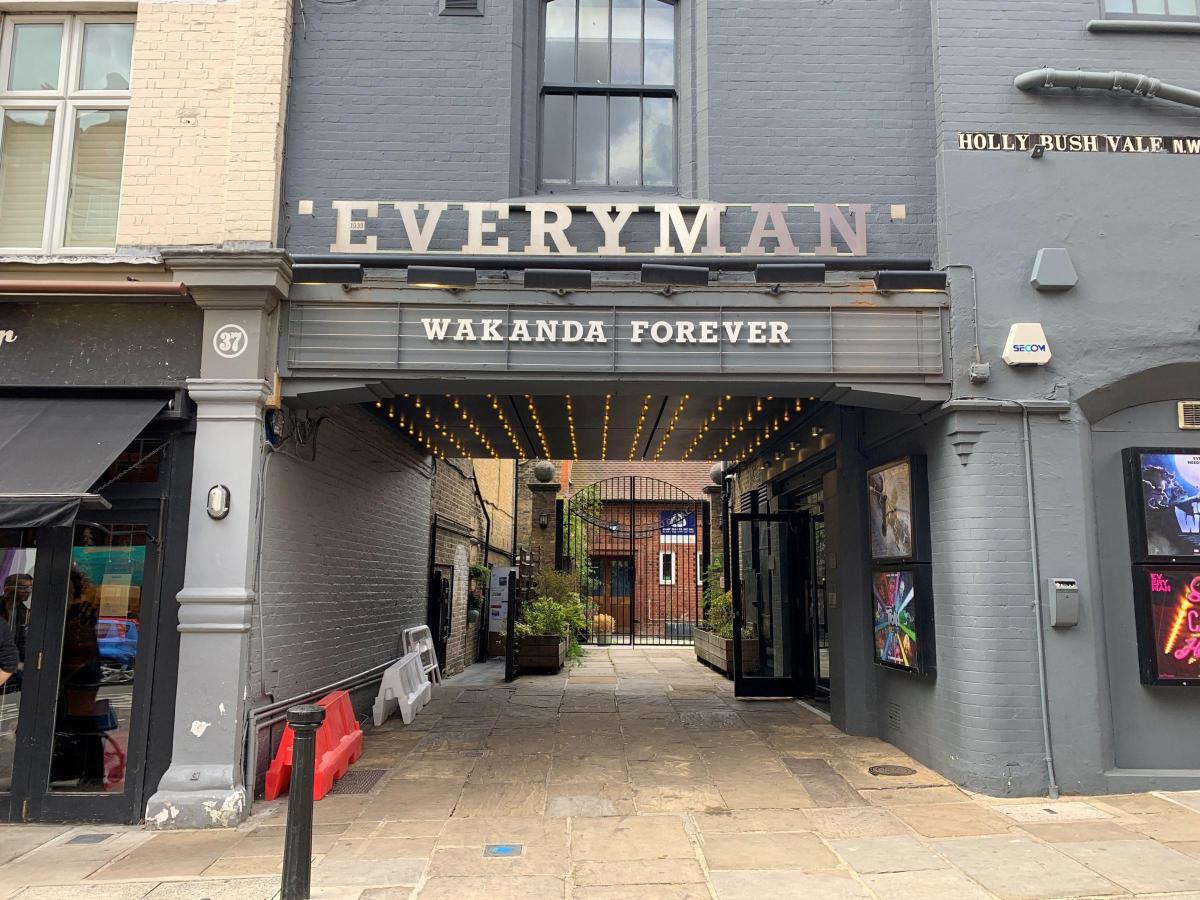
And the building in Holly Bush Vale, Hampstead, is now a household name - as the birthplace of luxury boutique cinema.
The Everyman as we know it was born in 1920 when theatrical producer and businessman Norman MacDermott acquired the lease of the redundant drill hall and converted it into a 285-seat theatre.

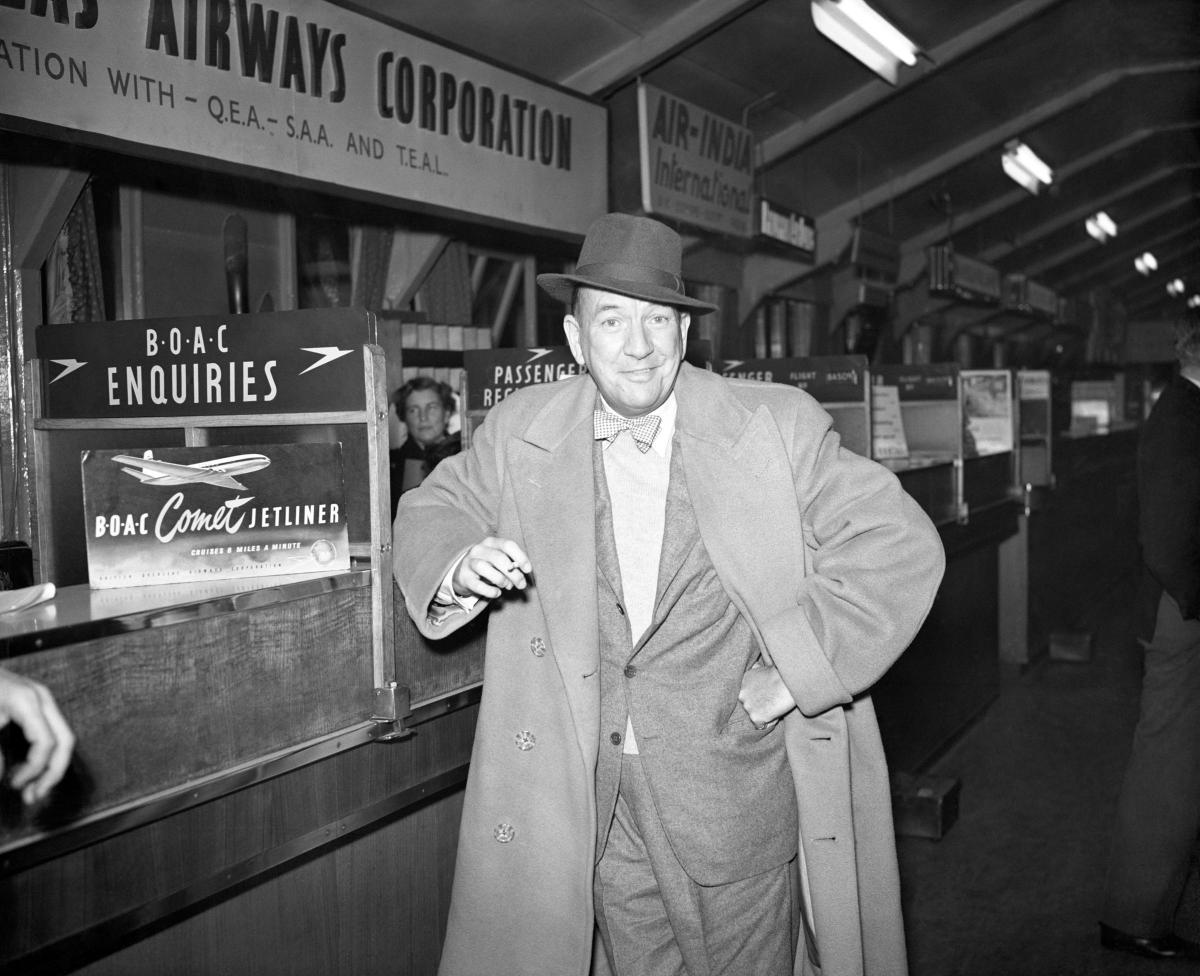
It became known for experimental productions and plays that the West End considered too daring. The career of writer Noel Coward took off in 1924 when his scandalous play The Vortex was staged there, featuring taboo themes of cocaine addiction and repressed homosexuality.
With Coward himself in the main role it became 'the hottest ticket in town' and transferred to the West End.
For six years The Everyman was run on a shoestring, staging plays by AA Milne of Winnie-the-Pooh fame, George Bernard Shaw, and Eugene O'Neill, starring actors including Edith Evans and future Casablanca star Claude Rains.

MacDermott threw in the towel after a rent rise but the venue continued as a theatre until 1933 when it became a cinema.
Local solicitor, James Fairfax Jones, and his artist wife Tess wanted to screen good films from around the world, and although they closed in September 1940 during the Second World War, they re-opened in February 1946 and ran it until the 1970s.
Ironically by then it was austere, shabby and no frills, but boasted local artists' work in the gallery, low ticket prices and an unusual programme with seasons of Hollywood musicals, film noir, German Expressionism, or Marx Brothers movies - and a basement bar.
By the late 90s it was owned by Pullman Cinemas but the rise of watching movies on home video had led to heavy losses and The Everyman was at risk of fading into history.
That's when another local businessman, property entrepreneur, Daniel Broch stepped in to save it.
In 2000 he unveiled a fresh concept that took cinemas back to the golden age of movie-going with glamorous gilt paint, plush velvet sofas and waiter service to your seat.
The early noughties saw high profile red carpet events there with the likes of Russell Crowe and Ewan McGregor, who was involved in founding a children's movie club.

The concept spread across the UK with the acquisition in 2008 of Screen Cinemas to add more locations.
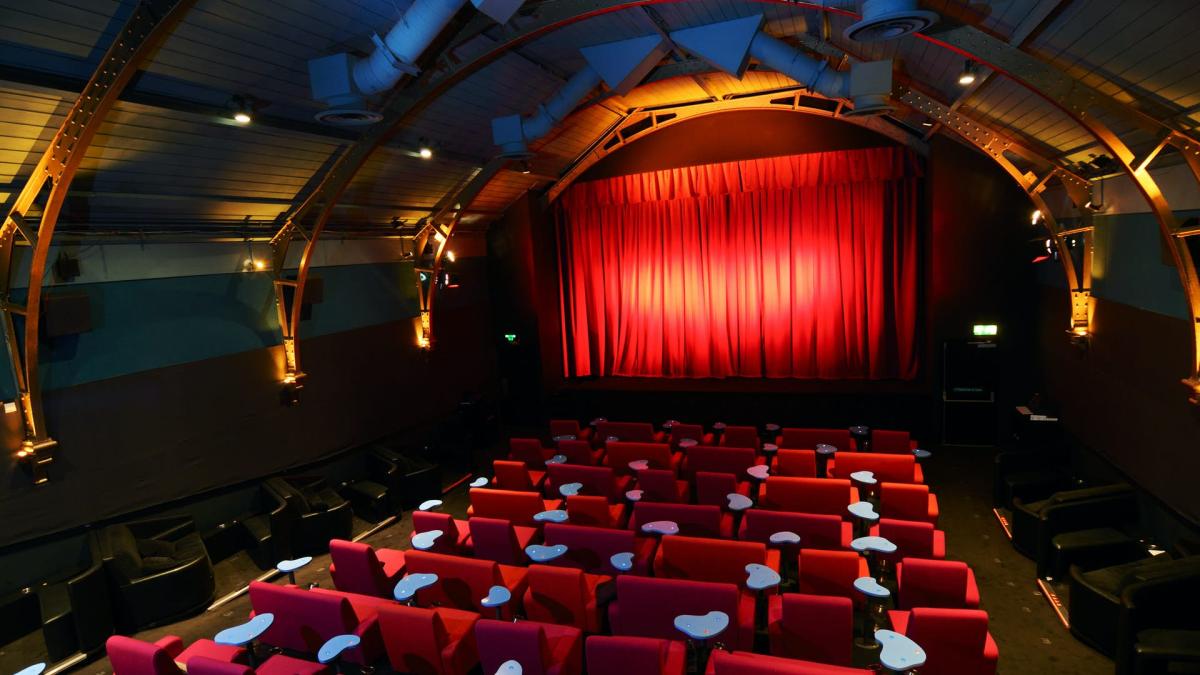
Today the chain of stylish boutique cinema has spread to 49 venues and the original Everyman boasts luxurious sofas an extensive cocktail menu, two public screens with club suites, gallery seating, a private hire room, and a licensed bar and restaurant.
But for all its Art Deco touches and modern plushness, cinema goers watching movies on the main screen still sit beneath the wood and iron vaulted ceiling of a Victorian drill hall.


Share