



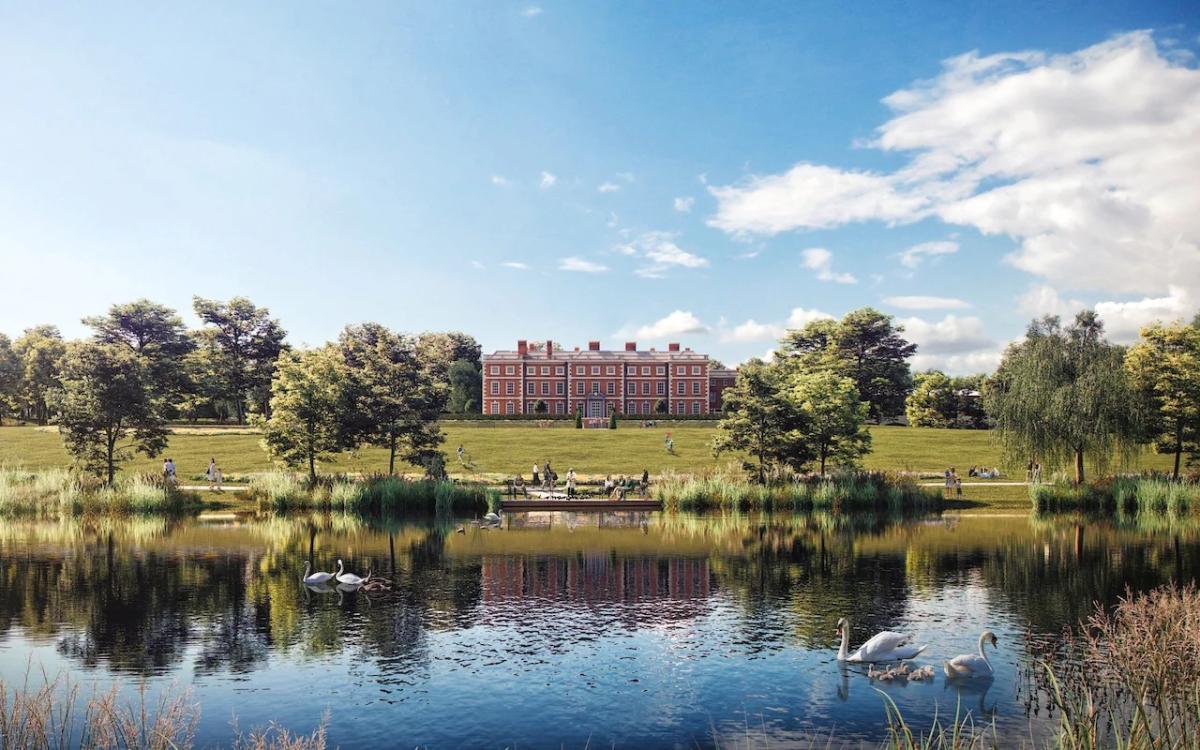

An historic mansion dubbed 'the house of secrets' is to reveal its wartime past to the public this summer.
Trent Park in Enfield has been compared to Bletchley Park for its extraordinary - but lesser known - tale of espionage.
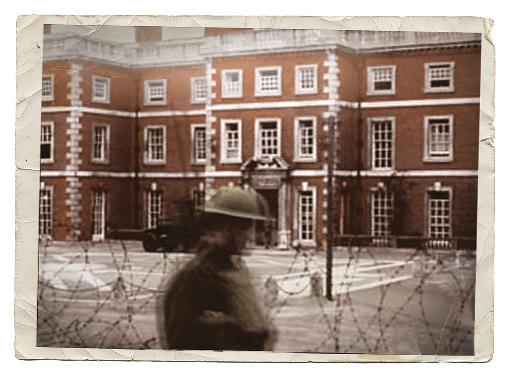
Throughout the Second World War it played a pivotal role in British intelligence when high ranking German officers were held captive in its luxurious rooms and treated with unusual privileges.
But the 100 or more prisoners of war - including 59 generals - were unaware that their conversations were bugged via a network of miniature devices hidden in walls, skirtings, light fittings, plant pots, the billiard table ,and even the garden benches.
Beneath the state rooms, teams of ‘secret listeners’, many of whom were Jewish refugees, worked in a concealed basement, recording conversations between the captured officers.
Around 100 German-speaking Jewish refugees serving in the British Army’s Pioneer Corps provided vital intelligence which gave the Allies a crucial advantage against Germany in the war.

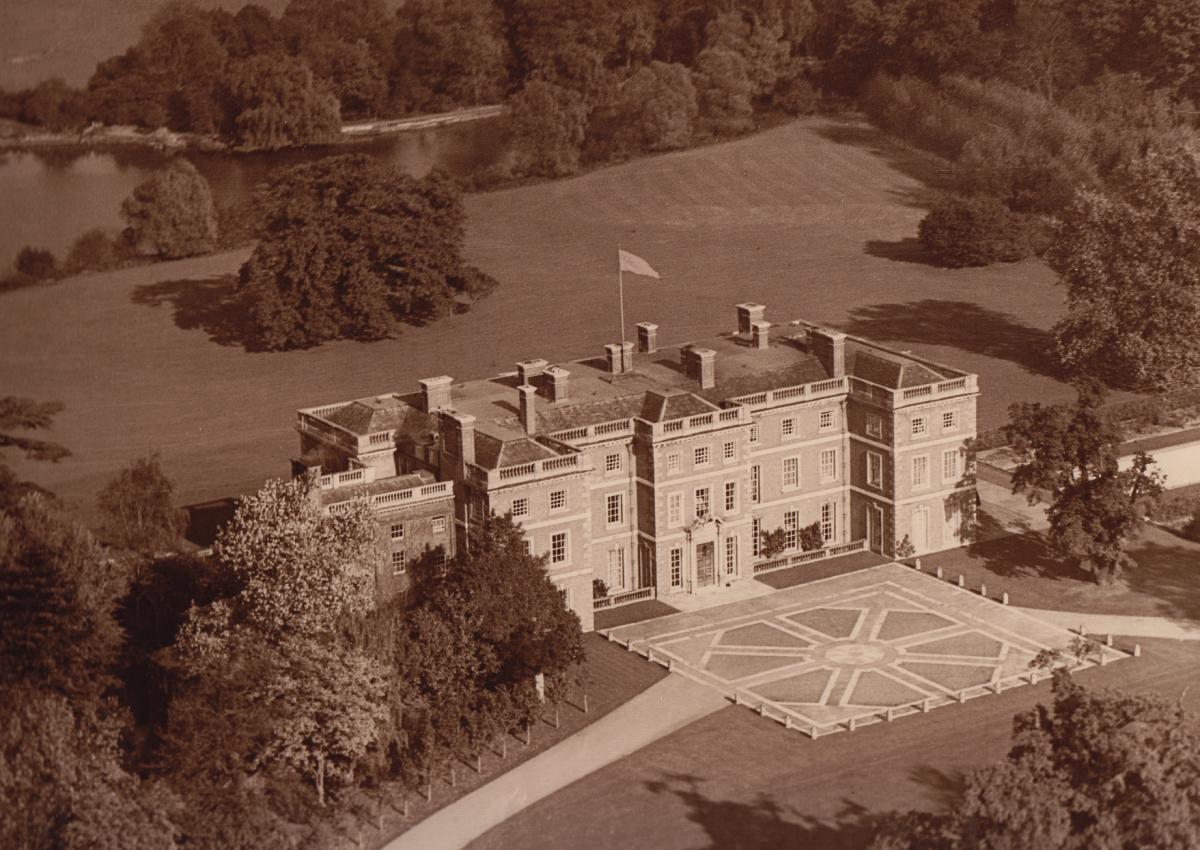
Before the war, the Victorian property was remodelled in the 1920s by banker Sir Philip Sassoon who was one of the wealthiest men in England.
The lifelong bachelor and close friend of the future Edward VIII and Winston Churchill, served as an MP and as Under-Secretary of State for Air.
At Trent Park he entertained politicians and members of the Royal Family, alongside the likes of George Bernard Shaw, Noel Coward, T. E. Lawrence (‘Lawrence of Arabia’), Charlie Chaplin and Fred Astaire.
The site boasted a golf course and an airstrip and became a fashionable weekend retreat for his rich and famous friends.

When Sassoon died of influenza in 1939, the house was requisitioned by the government as a centre for intelligence operations - its glamorous interwar life giving way to a secret wartime role.
Post war, it became a teacher training college, then part of Middlesex University. But after the academics left in 2012 it fell derelict and was bought in 2017 by the Berkeley Group who have built 260 homes across the estate and helped restore the state rooms as a museum.
The immersive visitor experience which opens this summer brings the two strands of Trent Park’s history together.
The state rooms on the ground floor have been restored to their 1930s glory while beneath them, the basement, listening stations, offices and working rooms will be shown in operation.
The museum will share the contrasting stories of peacetime opulence and wartime intelligence using original transcripts of recorded conversations.
Thanks to The National Lottery Heritage Fund, the programme will bring the extraordinary history of this once little-known operation to life.
Dr Giuseppe Albano, director of Trent Park, said: "For decades the story of Trent Park has been hidden in plain sight.
"Many people were aware that something unusual had happened here during the war, but its full significance only became clear much later, and that is what makes it such a compelling place to explore today.
"We are opening the house with many secrets to share, and there will be more to discover in the years ahead as the story of Trent Park continues to unfold.”
Writer and comic Helen Lederer is a trustee of Trent Park whose grandfather was one of the secret listeners.
She said her grandfather Ernst Lederer took his secret as one of the listeners to the grave.
"It means so much that this chapter of little-known history can be told through the museum," she added.
"To imagine what the secret listeners may have felt as they listened to the captive generals upstairs is as important as it is humbling."
Trent Park House of Secrets will open in summer 2026, Tuesday to Sunday, 10am–5pm.
Further information and booking details available soon at trentparkhouse.org.uk.


Share